BITOLA
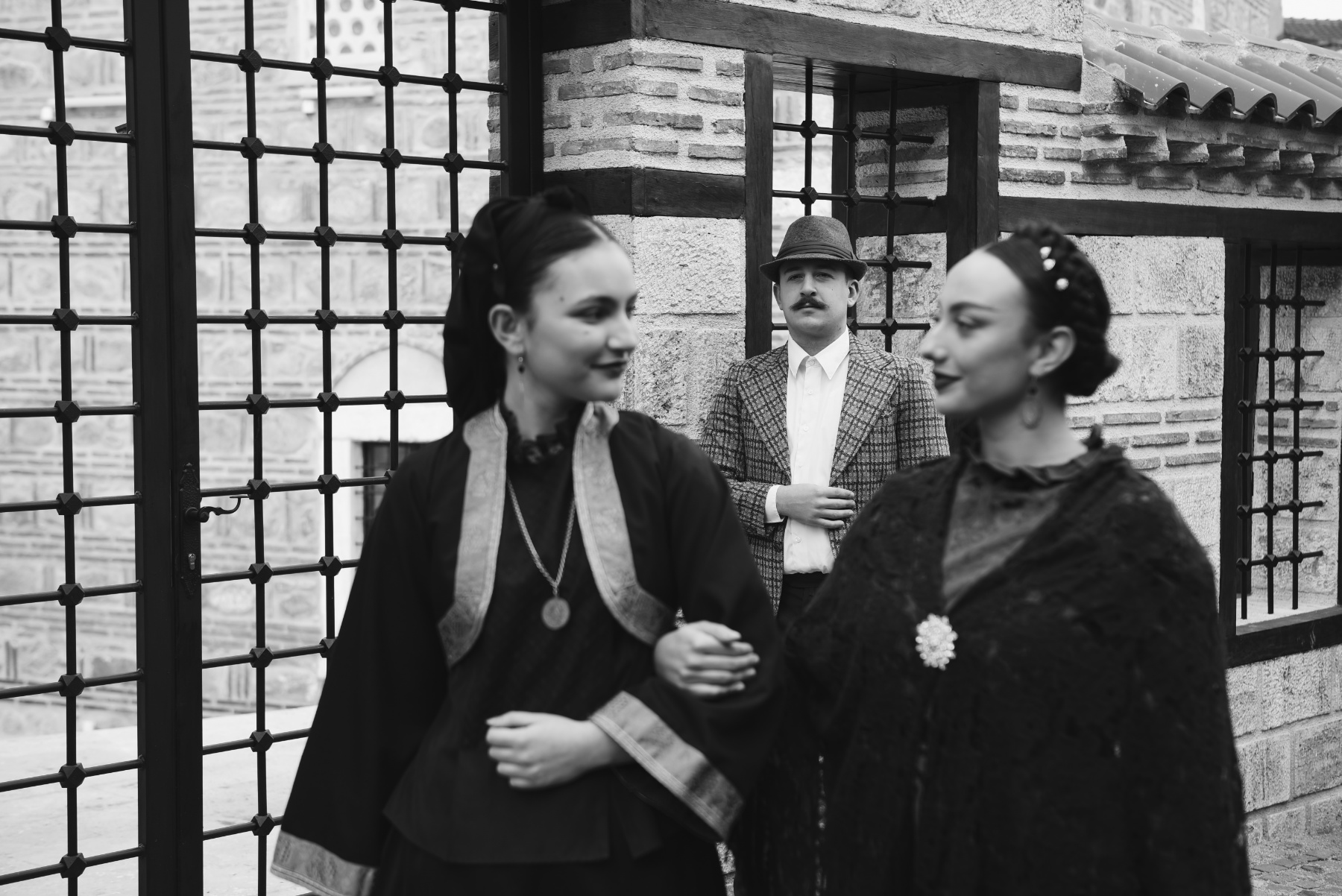
In the heart of Bitola, where the echoes of the centuries merge, stands the market - an open-air theater where Bitola's history, culture and commerce dance harmoniously through time. This lively market is a remnant of the Ottoman Empire, a witness to the ebb and flow of centuries and stories. As a sign of respect to this enduring spirit, the project "Bitola - City of Multiculturalism" was conceived with the intention of breathing life into the magnificent past of Bitola. We invite you to put on your explorer's hat and enter the soul of the city - a journey where every step reveals a tapestry of multicultural wonders.
|
|
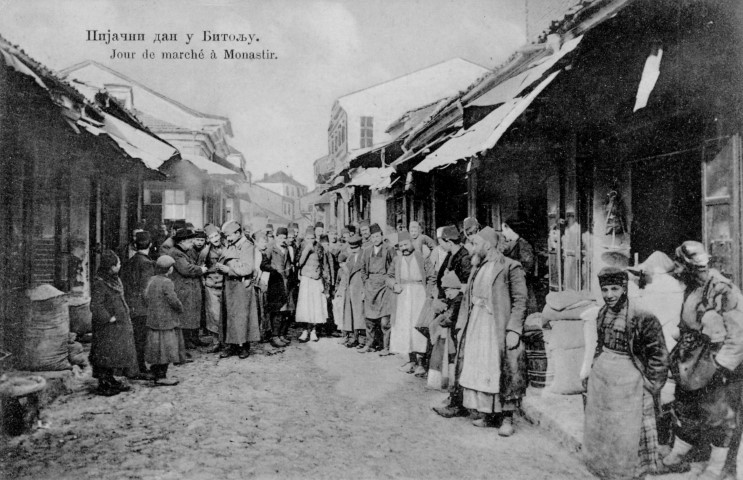
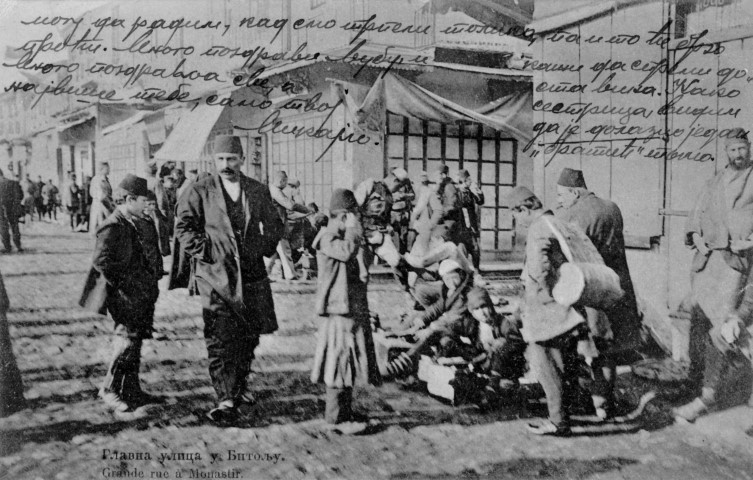
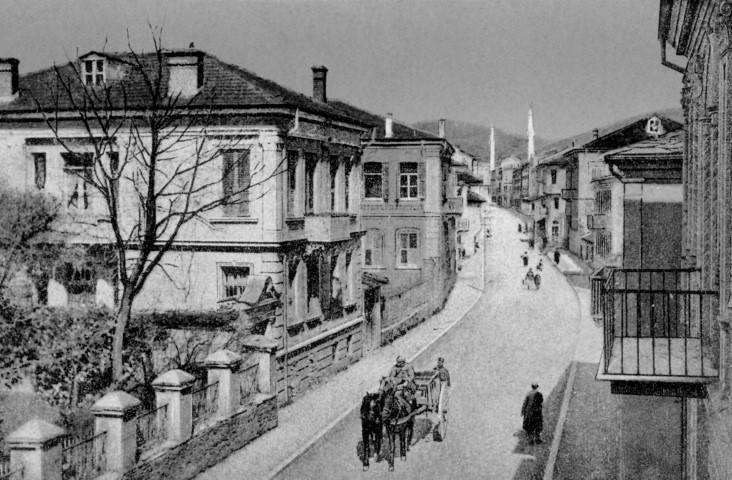
The Bitola market, expanding its artistic narrative from every angle, serves as the beginning of the artistic narrative of the city. Its architecture, a tangible connection with history, reflects the various influences that have shaped Bitola over the years. Ottoman-style buildings and facades form a harmonious mosaic, reflecting the city's multifaceted personality. The stalls, decorated with colorful fruits and vegetables, create a kaleidoscope of colors, while the air becomes enticing with their fragrance. Every step, every look reveals a fragment of the past, while vendors, true to tradition, contribute to the city's narrative by sharing stories and passing down anecdotes across generations.
|
|
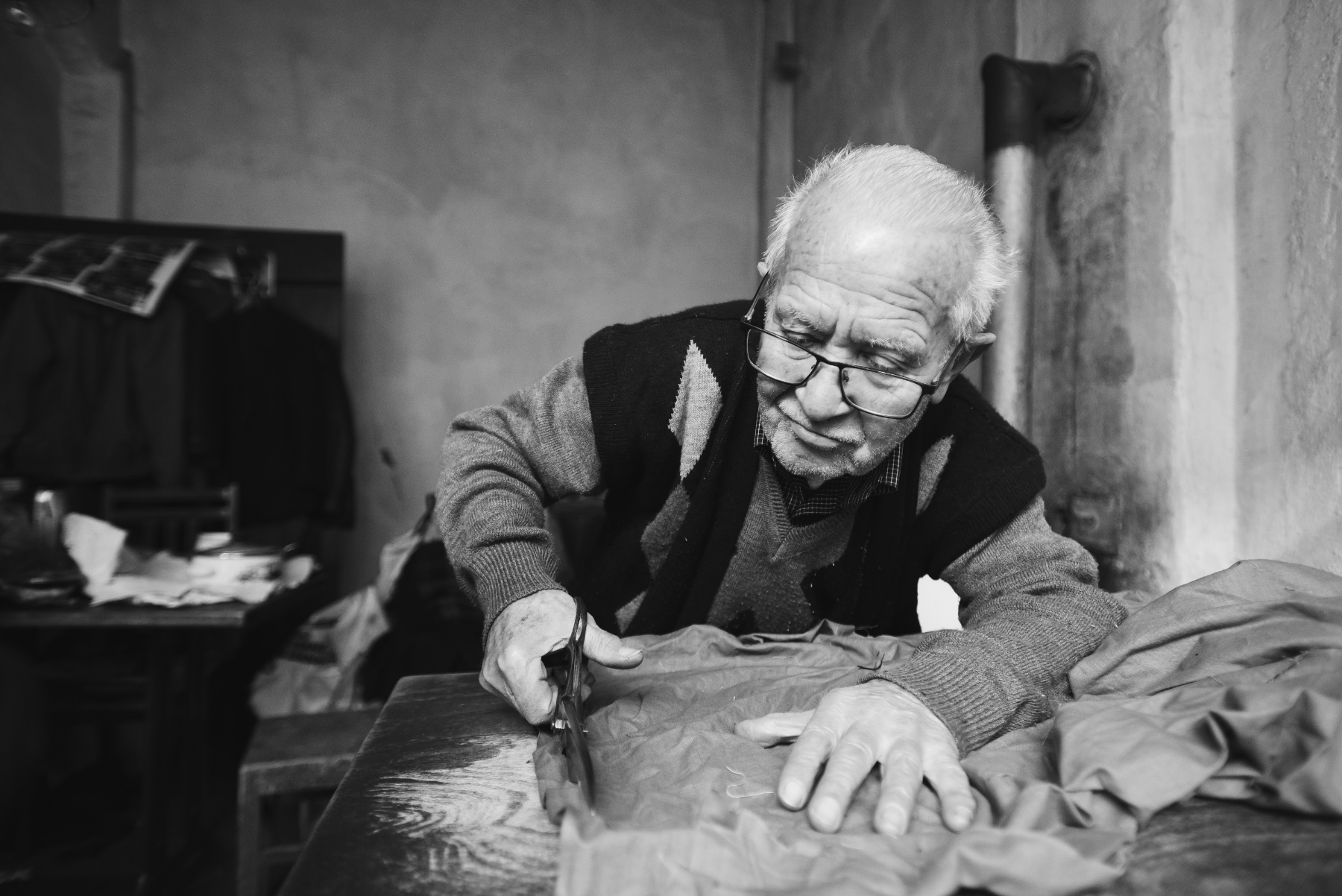
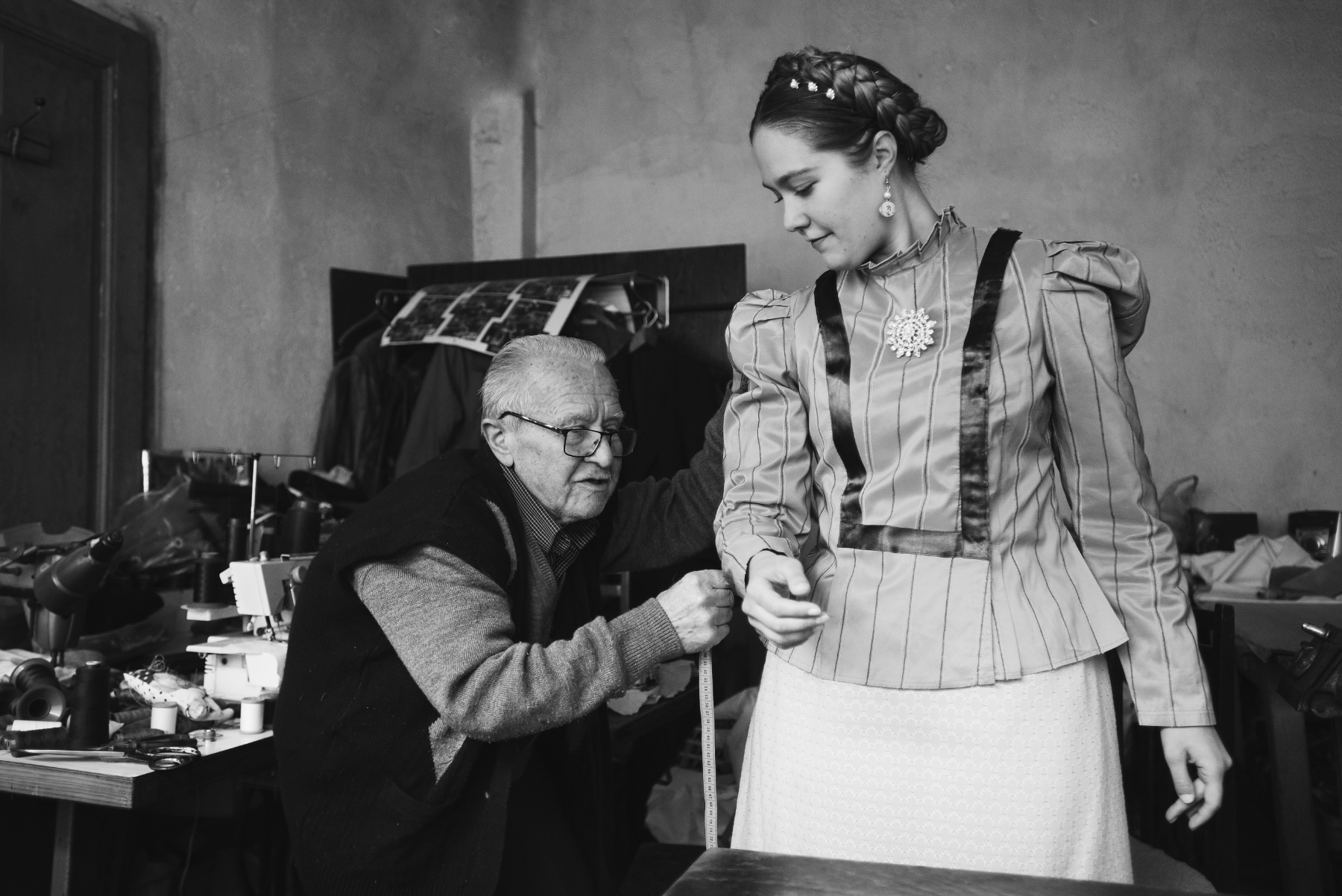
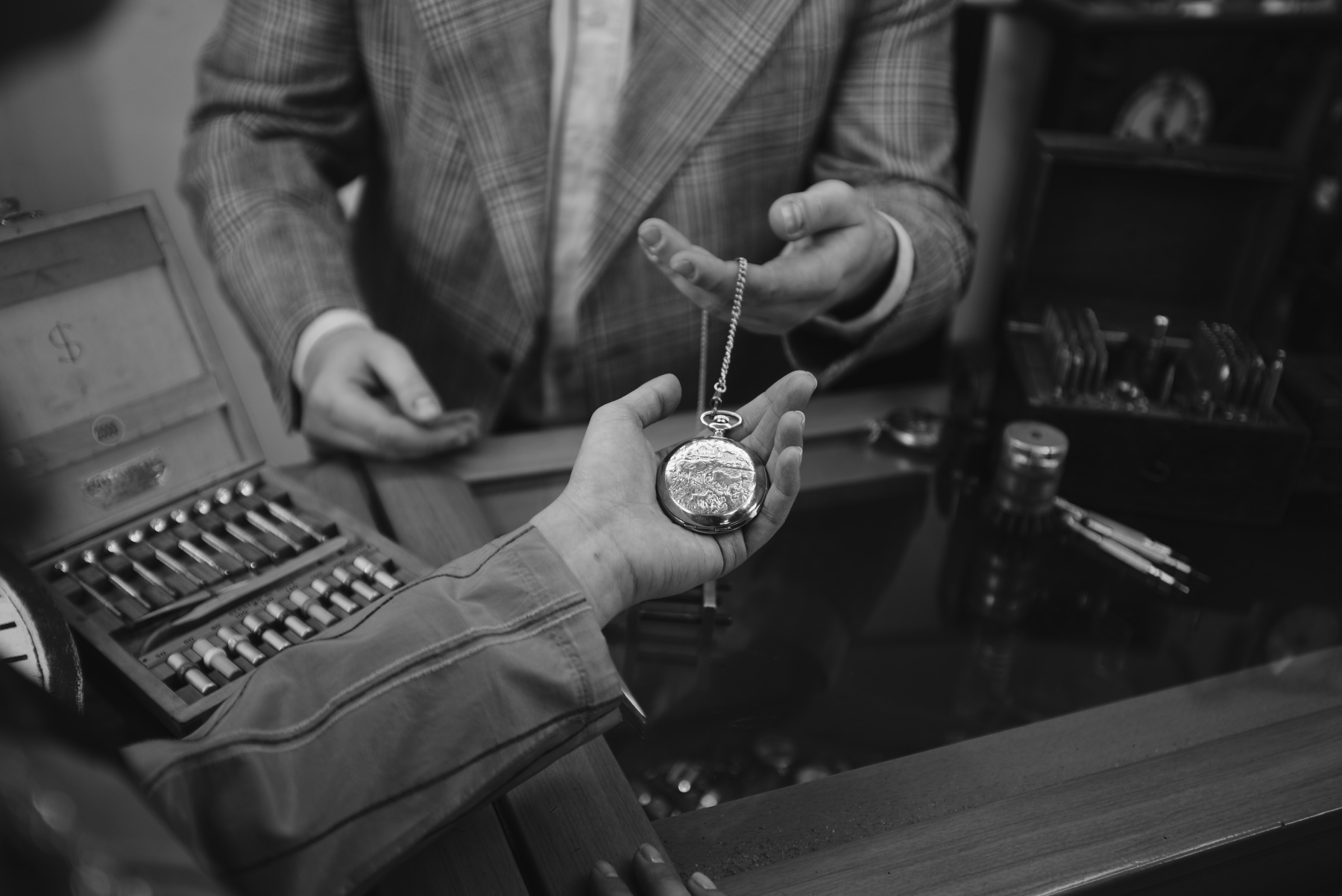
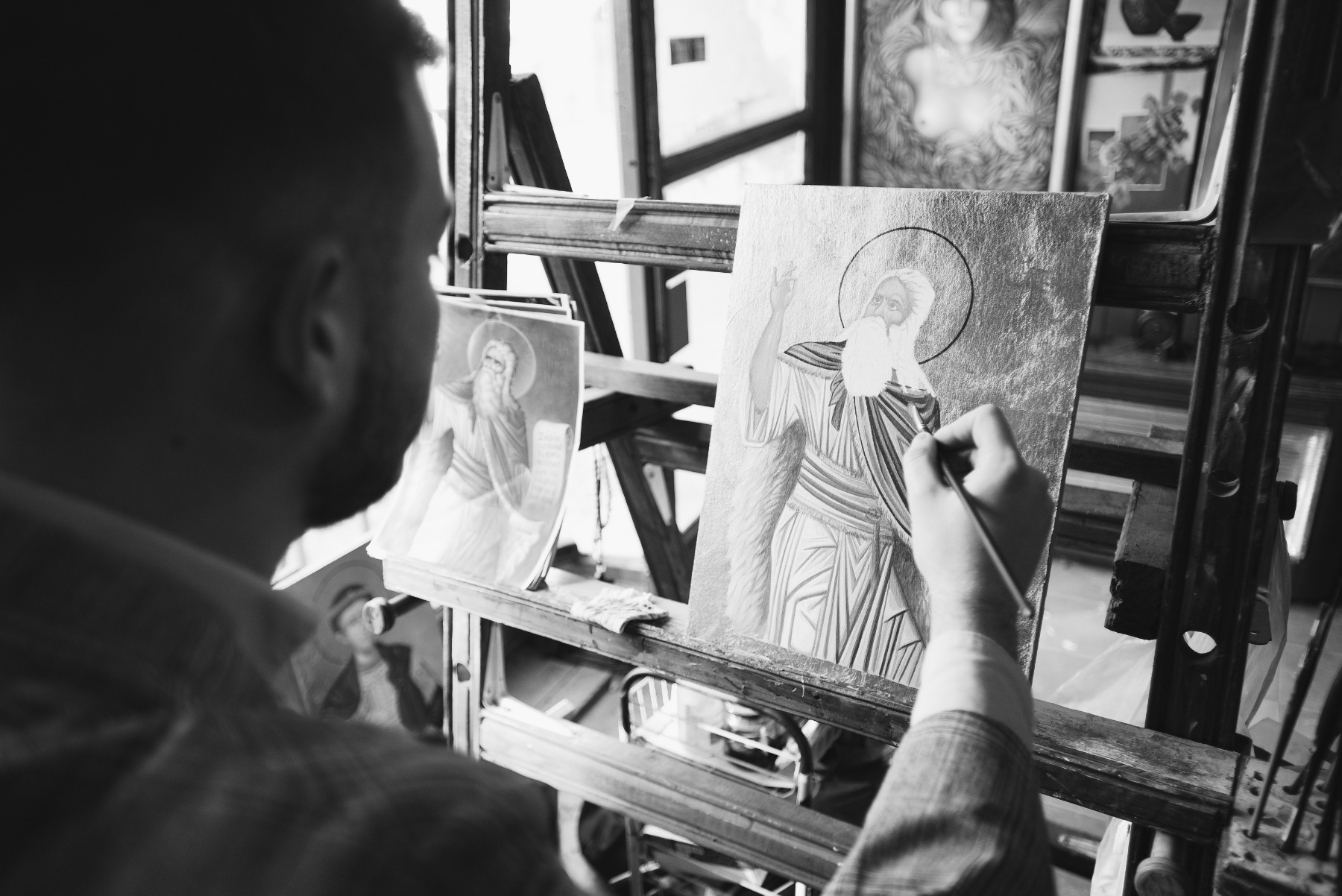
A long time ago, Bitola was known for its bazaars, which were and remain lively centers for local artisans. These lively bazaars are spaces where artisans showcase their skills, show them to visitors and sell their products. During the time of the Ottoman Empire, the Bitola bazaars were cultural and commercial centers, where various goods and ideas were exchanged. The market in Bitola has recently become a venue for cultural events and festivals, which makes it a lively theater space where different scenarios are played out. It is important to point out that this extraordinary dynamic is not new in the history of the city. During the Ottoman rule, the markets were places of cultural meetings and traditional festivals, which united the different ethnic and religious communities living in the city.
|
|
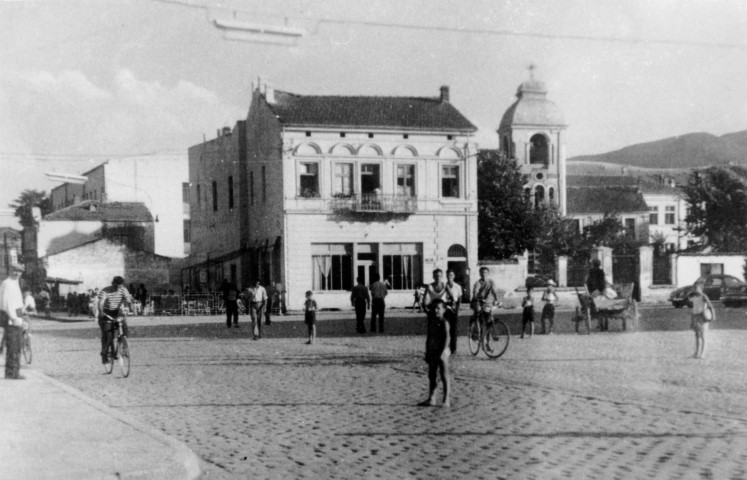
Historical facts say that the market in Bitola was the foundation of the economic structure of the city in different periods. During Byzantium, Bitola was known for its trade routes, which formed the characteristic market. These routes were part of the older Roman route "Via Egnatia," which connected east and west across the Balkans. Thus, the market in Bitola was not only a place for the exchange of goods, but also a path of cultural ideas and traditions.
|
|
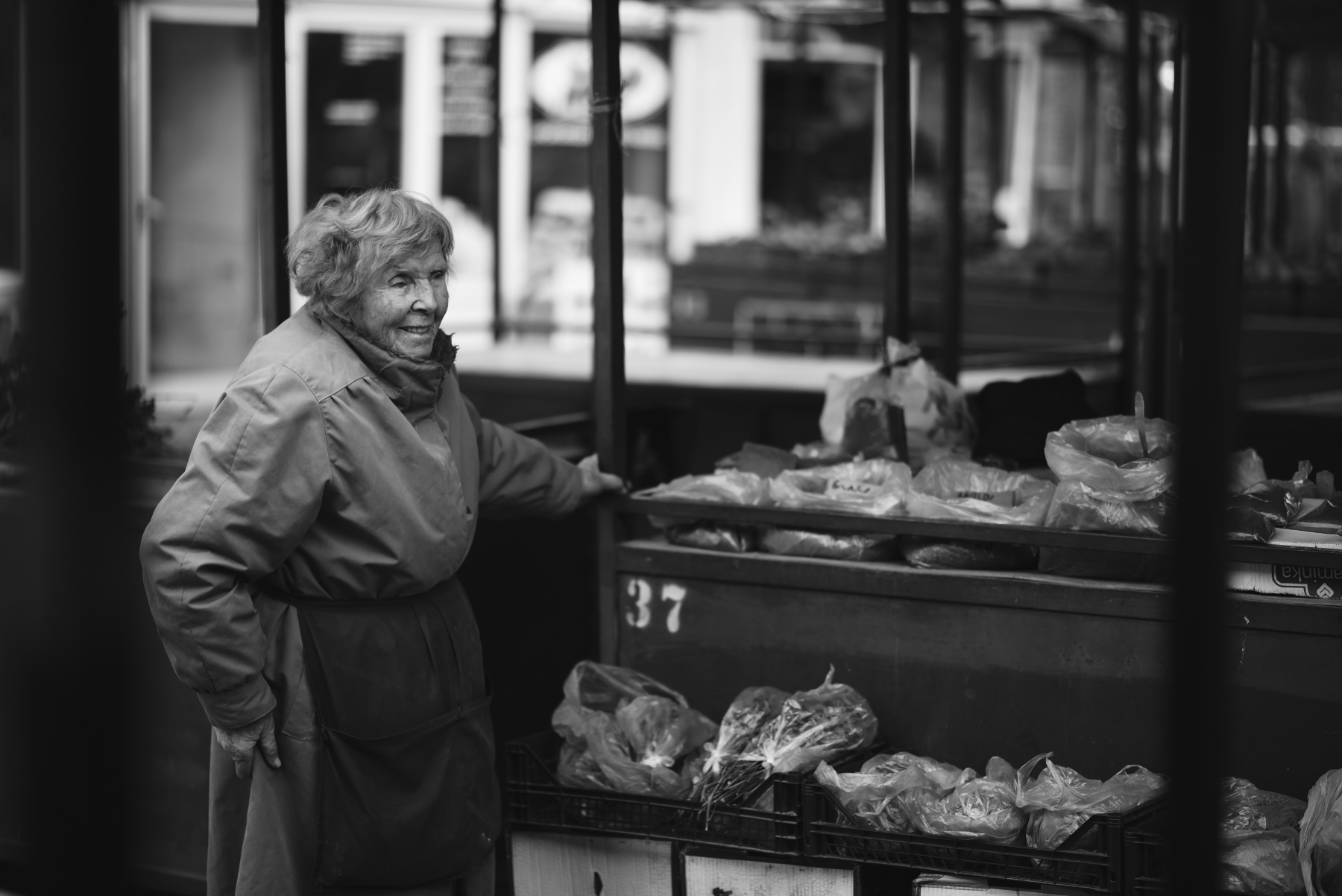
Today, the vibrant colors of produce, the aromatic allure of spices and the melodious hum of conversation create an ambience that is both nostalgic and invigorating. The warm smiles of the vendors, guardians of the market's unique atmosphere, encourage visitors to immerse themselves in living history. Conversations with the local population reveal not only the market's role as an economic center, but also as a common space where friendships are made and cultural exchanges thrive.
|
|
As we navigate the market's small streets and breathe in the scents of spices and history, we become part of a story that spans centuries - a story that continues to unfold to this day. The market is a living proof of Bitola's past, a bridge that connects generations and cultures. In its bustling lanes, the past and the present intertwine, inviting visitors not only to buy products, but also to immerse themselves in the rich history that continues to shape the soul of Bitola. The market stands as an enduring symbol of endurance, where echoes of history reverberate with every step, creating an atmosphere that captivates the senses and leaves an indelible mark on those who wander its lanes. ✊
About us
Our goal is to publicize and preserve the rich cultural heritage of Bitola. If you have questions, suggestions or want to know more about the city, do not hesitate to write to us.
This website was developed with the support of the "Civil Resilience Mechanism" program funded by the European Union. Its content is the sole responsibility of the "Bitola - City of Multiculturalism" project and does not necessarily reflect the views of the European Union.

|

|

|