Bitola in the past
Formerly known as Monastir, Bitola boasts a history spanning centuries, dating back to antiquity. Its historical significance is rooted in being a key hub along the ancient Roman road, the Via Ignatia, which connected the Adriatic Sea to the Aegean Sea, fostering trade and cultural exchange. Bitola served as an important administrative and military center, which is why numerous consulates were established during this period. An interesting fact about Bitola in the past is its role as a cultural and educational center. In the late 19th and early 20th centuries, Bitola was home to one of the first educational institutions in the region, the Bitola Military Gymnasium. Today, as visitors wander the historic streets of Bitola, they can still witness the remnants of its glorious past, with every building and cobblestone containing a story of the city's journey through time.
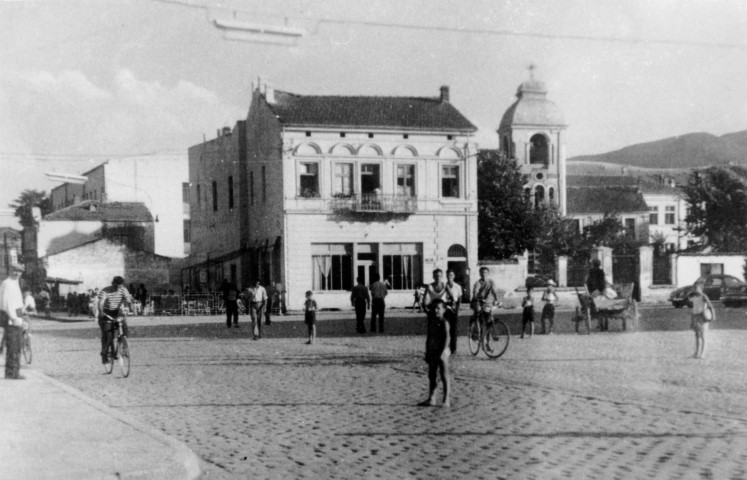
Picture 1
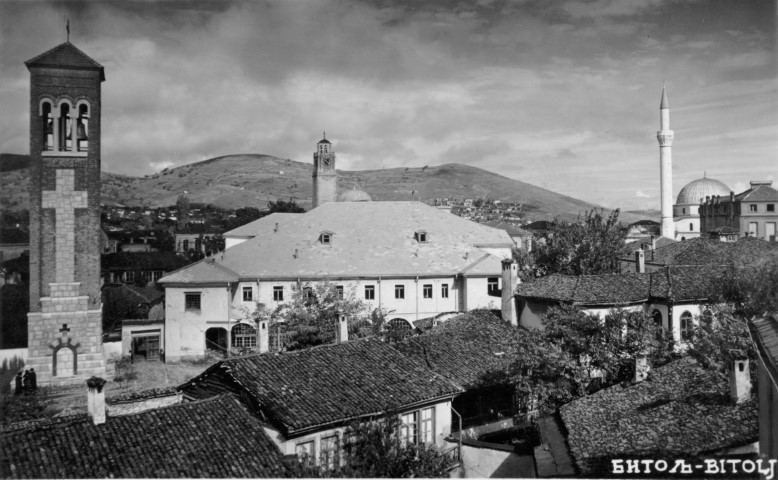
Picture 2
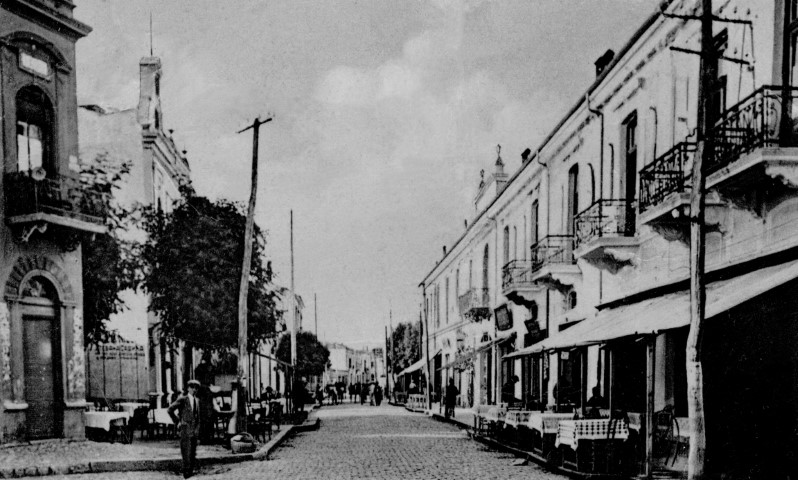
Picture 3
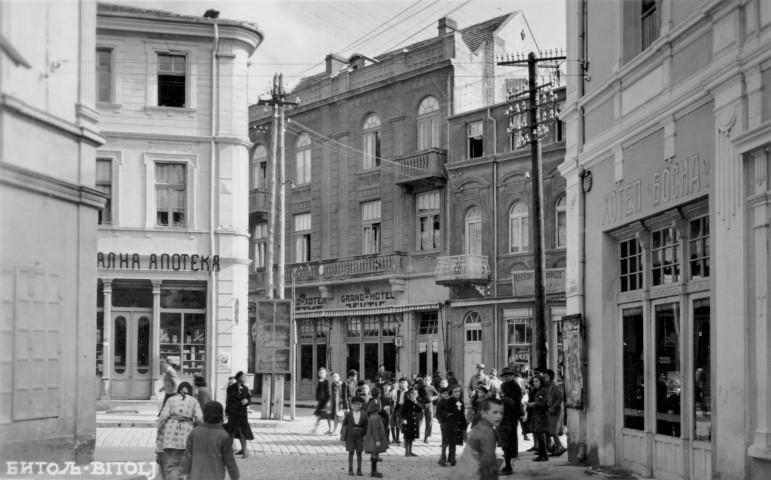
Picture 4
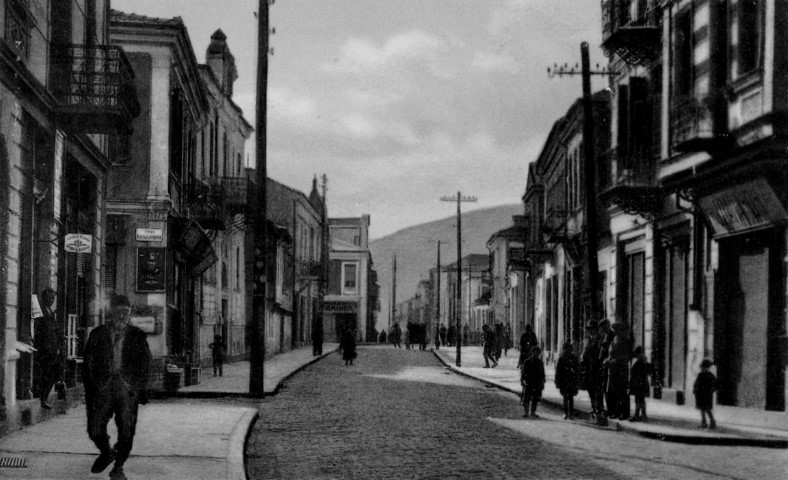
Picture 5
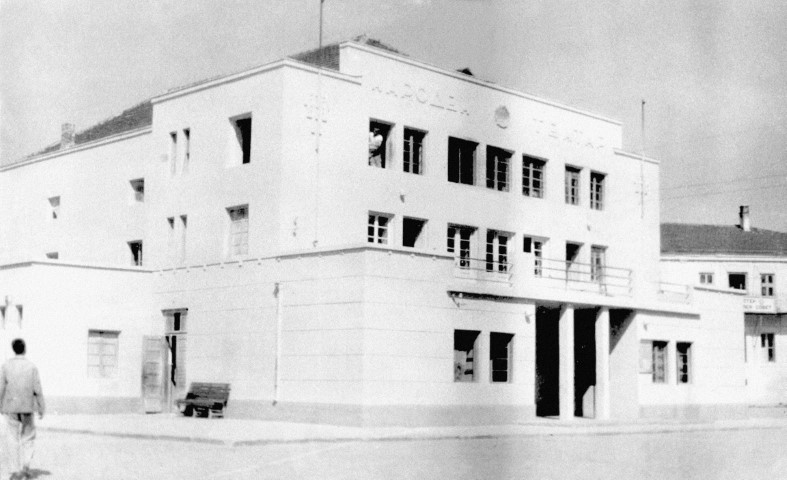
Picture 6
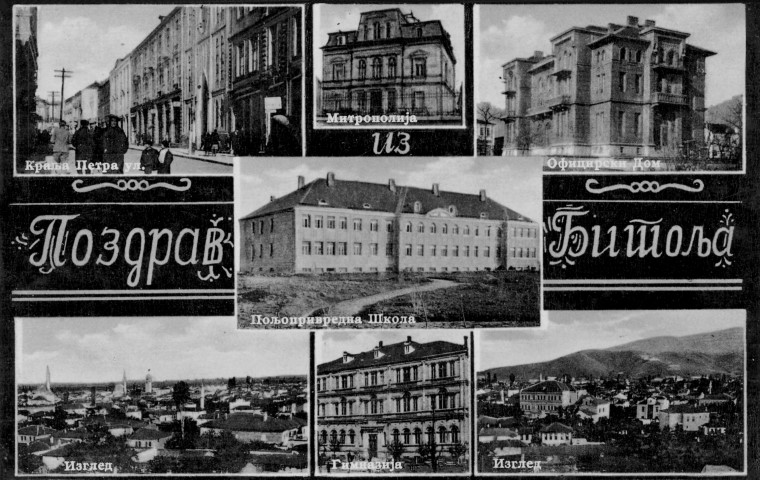
Picture 7
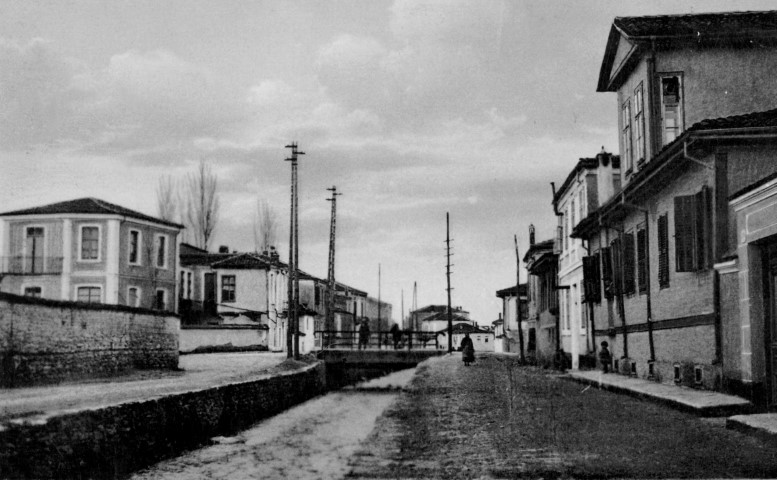
Picture 8
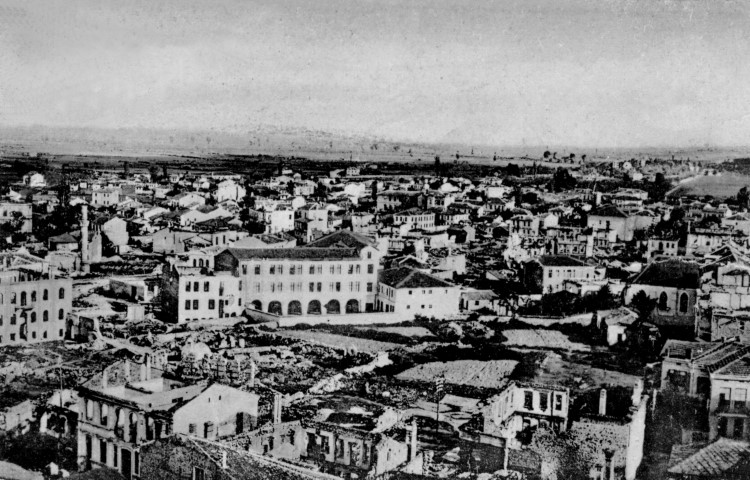
Picture 9
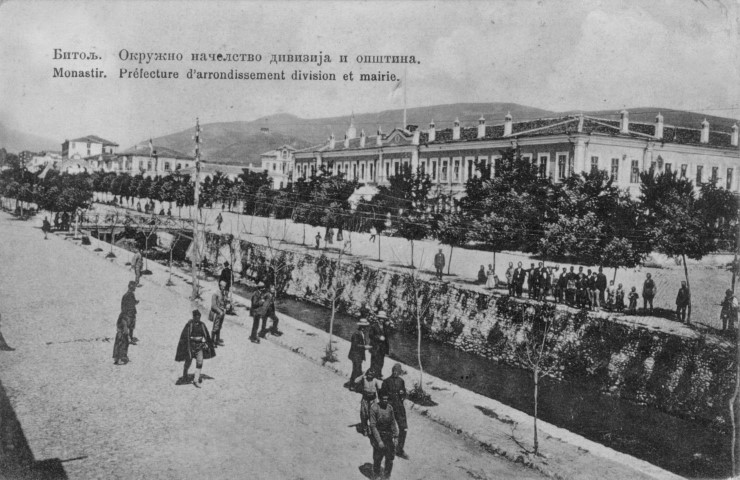
Picture 10
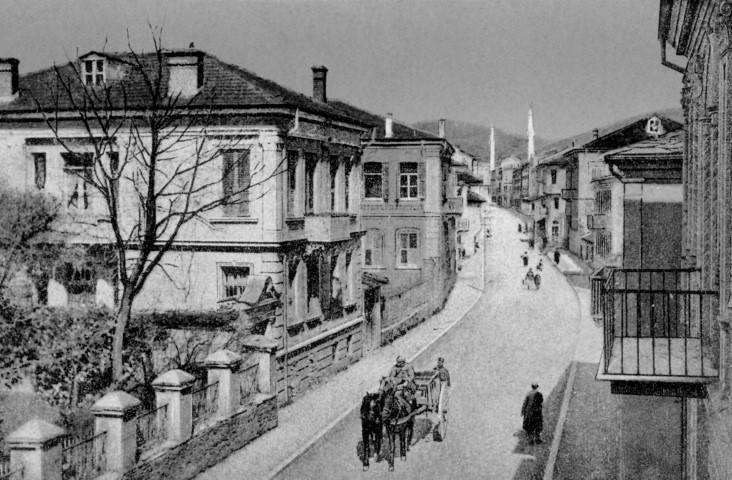
Picture 11
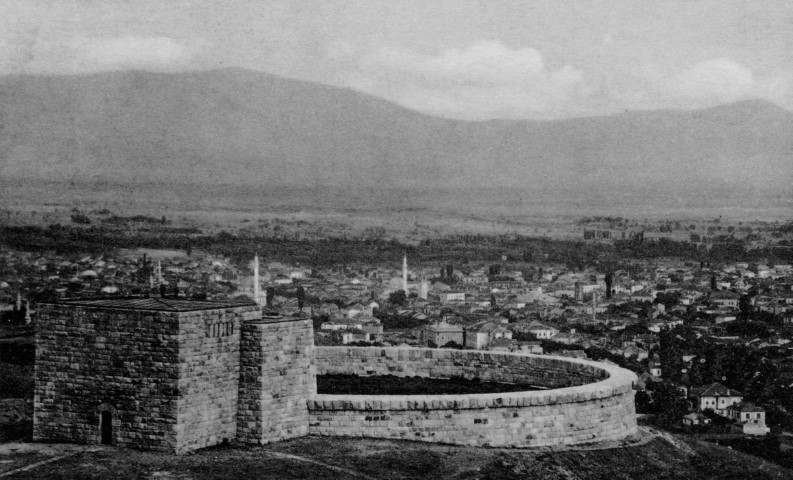
Picture 12
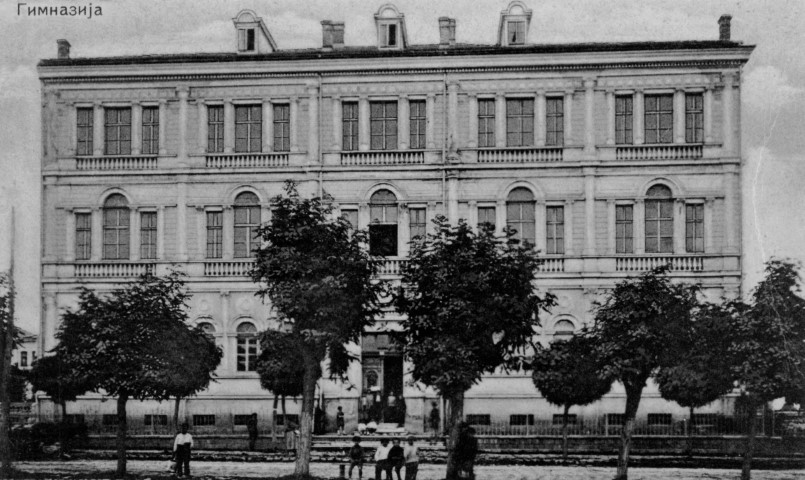
Picture 13
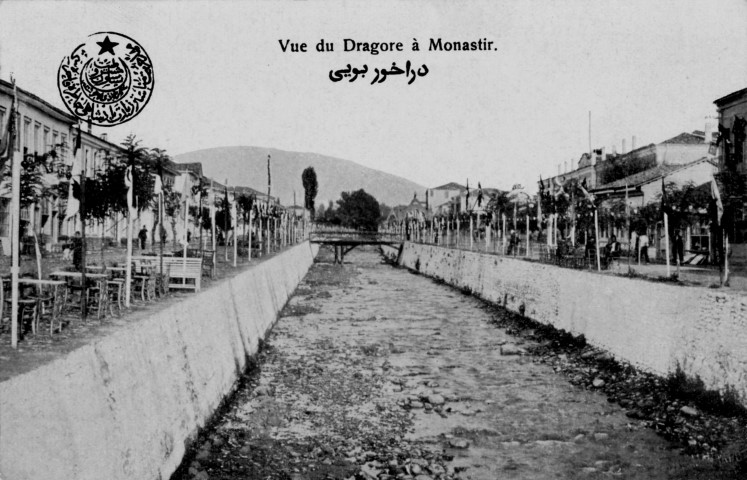
Picture 14
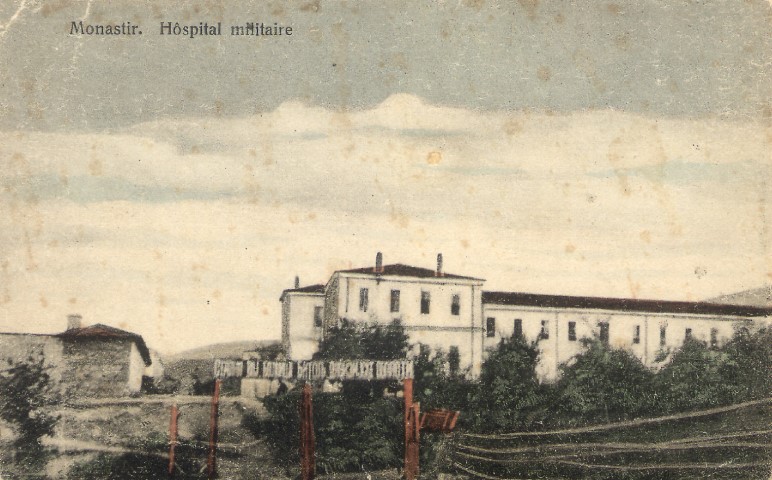
Picture 15
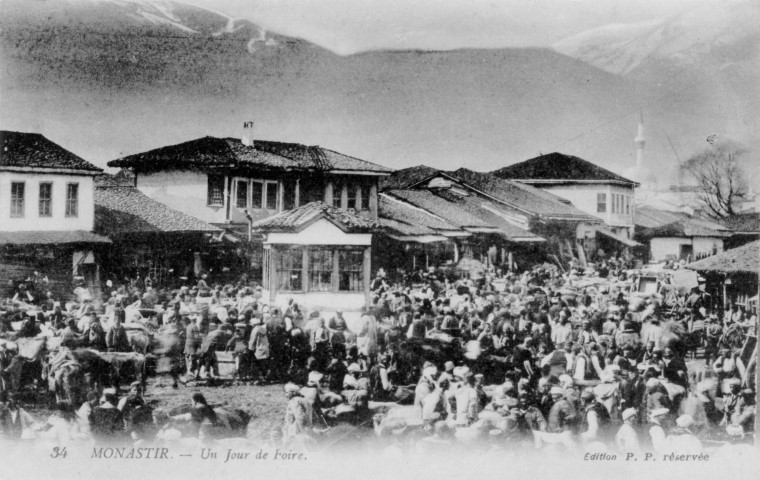
Picture 16
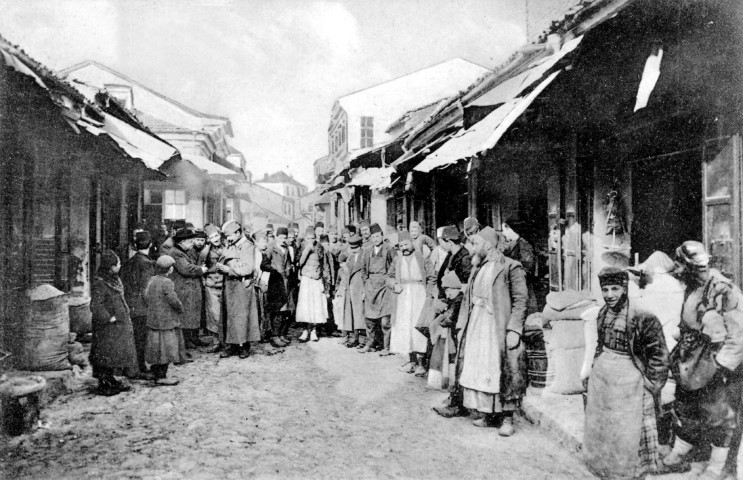
Picture 17
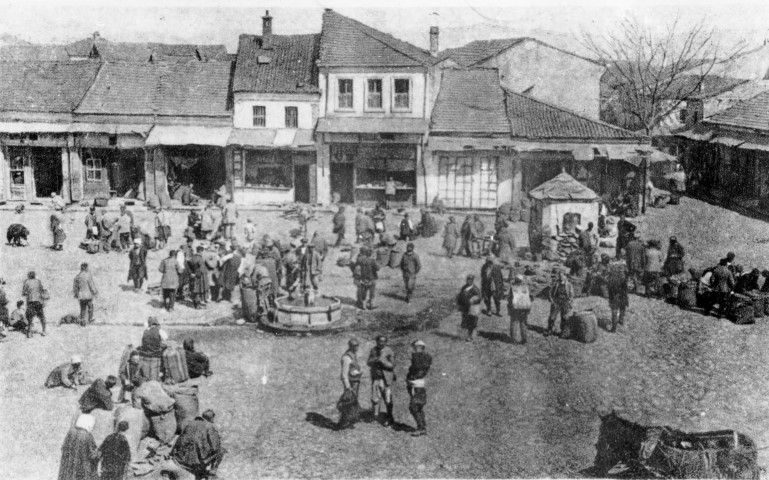
Picture 18
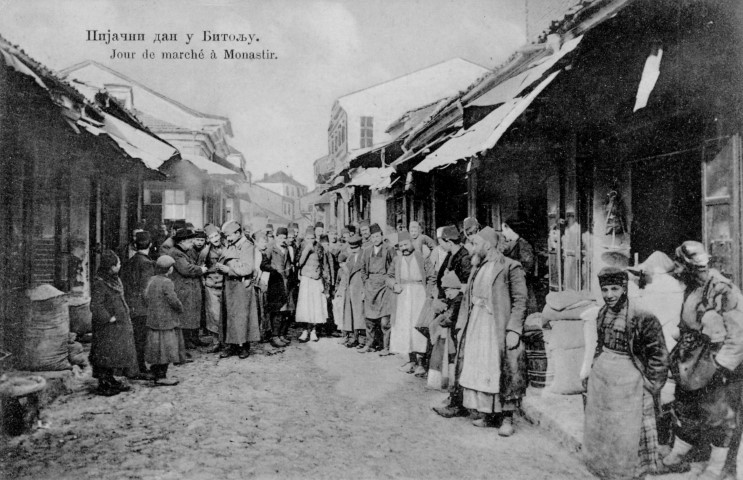
Picture 19
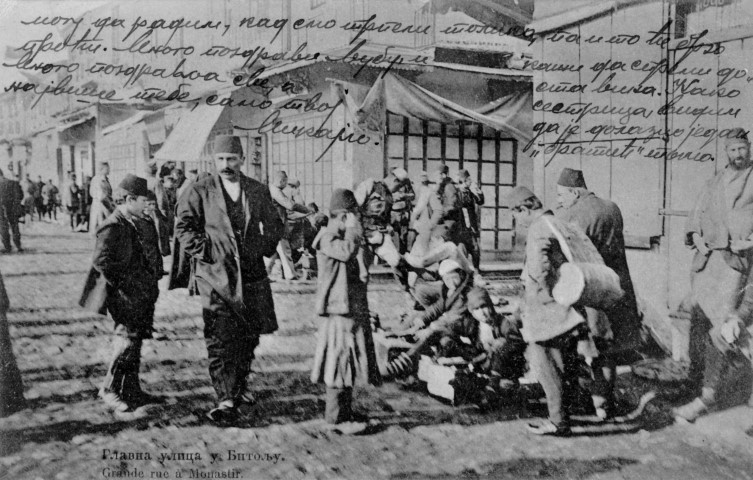
Picture 20
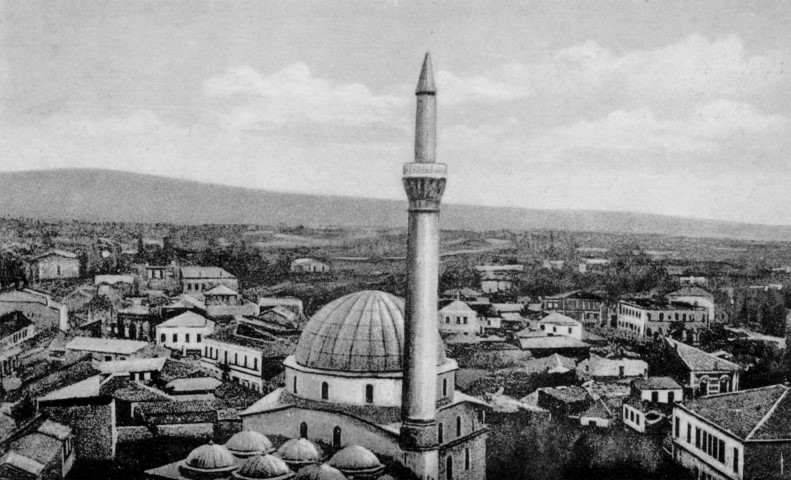
Picture 21
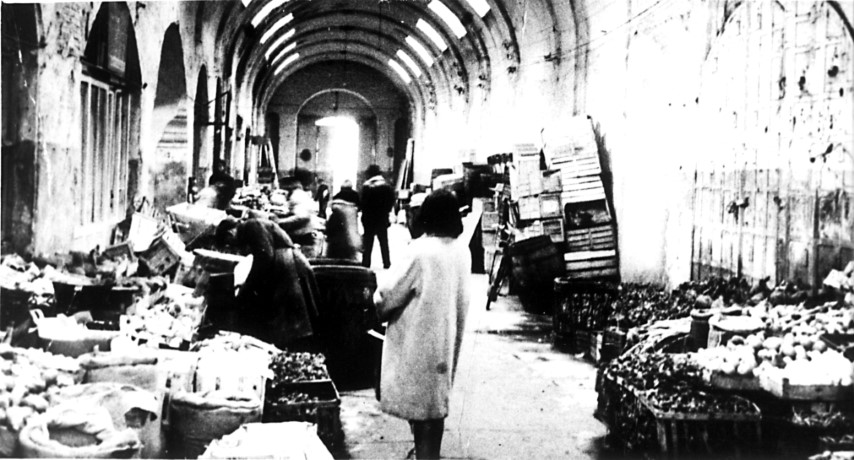
Picture 22
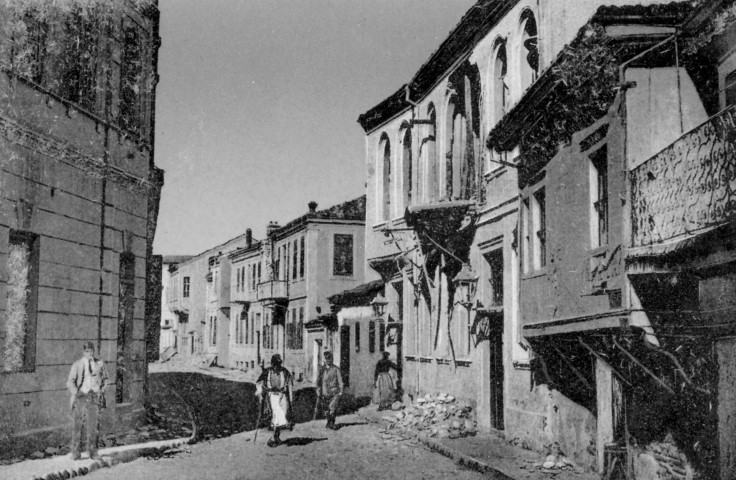
Picture 23
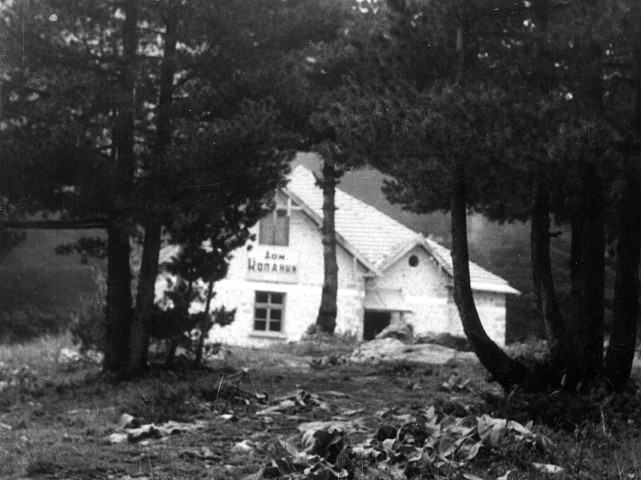
Picture 24
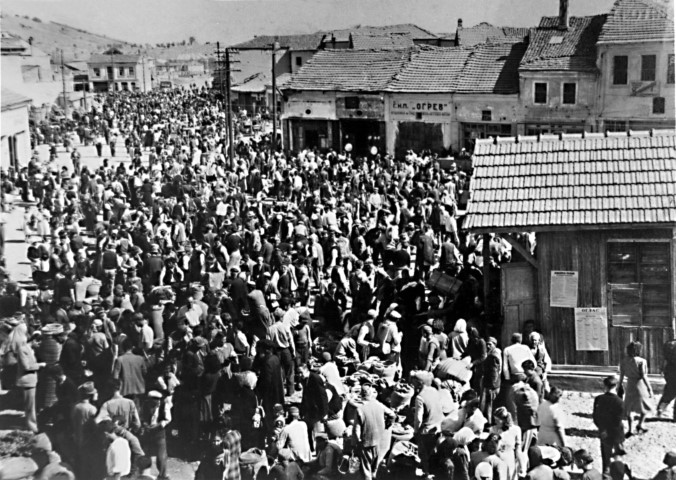
Picture 25
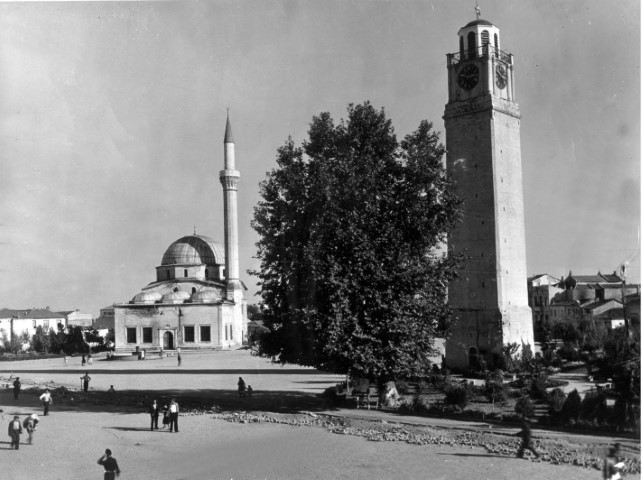
Picture 26
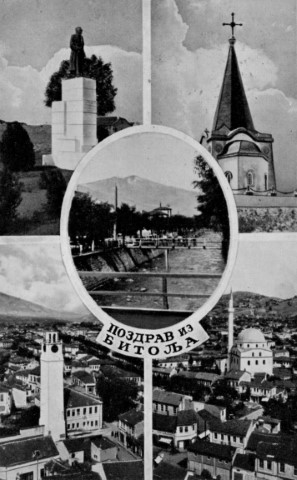
Picture 27
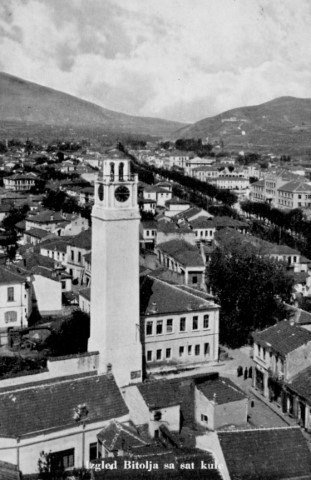
Picture 28